Case study

Customers want to set their own pace
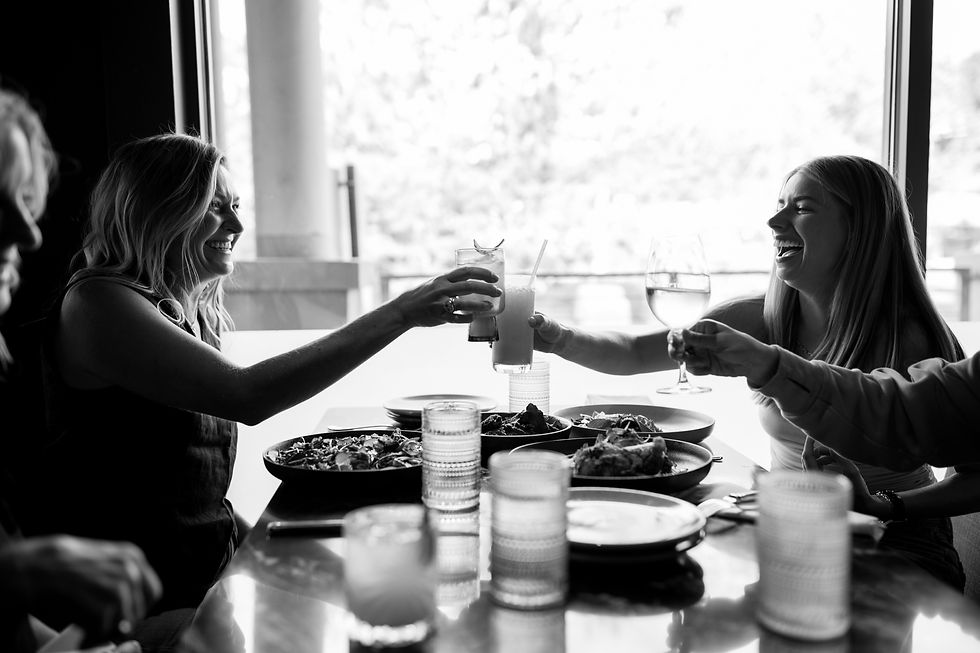
The most consistent thing diners told us: they want control over timing. Order the moment they're ready, add a drink or a side mid-meal, and — above all — pay instantly without waiting or waving anyone down. The tablet is there the second they want it; a server can't always be.
"Being able to pay right away, instead of waiting or flagging down staff to bring the bill. No queuing."
The right moment sells more
The sharpest commercial insight wasn't that tablets push more. It's that they sell at the right time. Diners described skipping dessert entirely because a waiter appeared at an awkward moment and the interaction felt uncomfortable. Let the customer decide when to order, and they order when they actually want to, and a receptive customer spends more.
"The waiter sometimes shows up at a bad moment for a sale, and I've often skipped dessert just to avoid that awkward feeling."

Every customer can order in their
own language
Diners repeatedly pointed to Asia as proof the model already works and named a barrier most restaurants ignore: language. A tablet with multiple languages lets tourists and guests who aren't confident in Finnish or English order easily, and order more, without depending on the staff member who happens to be on shift.
"In Japan this is used a lot and I find it handy. The tablet can offer different languages, which helps people who don't speak Finnish or English well."

Technology that supports staff, not replaces them
The clearest signal across every response: diners don't want to remove the human — they want to remove the friction. They value a genuine welcome and a warm goodbye; what they resent is waiting, queuing, and badly-timed interruptions. soljuu takes the mechanical parts off staff's plate so they can do the parts that actually make a meal good.
"It shouldn't remove the waiter's service at the start and end." — and, from another diner: "Could a tablet actually enable a newer, even more personal kind of service?"